
Whether you’re managing sports events, trade shows, corporate conferences, or music festivals, understanding the ins and outs of event production is crucial to running a successful event.
This blog post serves as a guide for event production professionals seeking to elevate their skills in this ever-evolving field. We’ll review the latest techniques, tools, and best practices that define the core of successful event production. You'll discover key insights into creating immersive environments, leveraging cutting-edge technology, and ensuring your events are inclusive, sustainable, and memorable.
Event production is the process of bringing an event to life, from the first concept to the post-event analysis. It blends creative vision and practical logistics, requiring creativity, organization, and a keen eye for detail.

When discussing events, the terms "event production," "event management," and "event planning" are often used interchangeably; however, they refer to distinct aspects of event creation and execution. While event planning is the initial stage where the framework and details of an event are put together, event management ensures the logistics and smooth operation during the event. Ultimately, event production encompasses the comprehensive process of bringing an event to life.
Event planning is conceptualizing and organizing an event from the ground up. Planners collaborate with clients to determine the purpose and objectives of the event, identify the target audience, and create a theme or concept.
Event management involves overseeing the actual running of the event. Event managers ensure that the event operates smoothly from start to finish, promptly and effectively dealing with any challenges that arise during the event.
While event production can sometimes refer to managing the technical aspects of events, this post will examine event production as the comprehensive formulation of the entire event experience. At the end of the day, event production balances the creativity required in event planning with the logistical aspects of event management to produce successful tournaments, sporting events, presentations, conferences, and other events.
Event production is diverse, catering to a wide range of gatherings with unique requirements.

Whether you're planning a local youth soccer tournament or a high-profile golf championship, the logistical demands of sports tournament event production can be immense. Securing venues, obtaining permits, coordinating with vendors for food and supplies, and ensuring safety measures are in place – every detail matters.
By staying ahead of the game with proper staffing, effective technology use, and strategic sponsor activations, event producers can create an electrifying atmosphere that resonates with both participants and spectators.
Need some help here? EventPipe is at your service. EventPipe’s end-to-end event housing management software has completely modernized tournament housing for sports teams.
With EventPipe’s simple yet comprehensive platform, you get access to:

Corporate events encompass a diverse range of activities, including conferences, trade shows, team-building exercises, and product launches. These events are typically held to foster team camaraderie, increase brand visibility, and attract new customers.
For an event production company, it's essential to collaborate closely with clients to determine the specific objectives of each event. They can utilize their professional experience to address challenges such as keeping audiences engaged and maintaining employee interest.
(P.S. EventPipe can help out here, too. Learn more about EventPipe.)

Associations are groups of professionals or enthusiasts who share common goals, interests, or fields of expertise. Association events play a crucial role in fostering connections, knowledge sharing, and professional development within specific industries or interest groups.
Event production for association events requires a unique understanding of the community's dynamics and objectives. It requires a thoughtful and strategic approach to deliver events that add value to the association community and fulfill its mission.
If your association event requires accommodations for attendees, consider partnering with EventPipe to manage your housing needs.

Music festivals are celebrations of art and culture, attracting audiences for the experience of live music and the sense of community. These events require a different kind of production expertise—a tremendous amount of creativity while keeping logistical management in mind.
The production of a music festival involves coordinating several moving parts, from booking artists and setting up stages with advanced audiovisual setups to ensuring adequate food, safety, and transportation facilities.
You guessed it: EventPipe can help with music festival housing management, too.
This checklist will guide you through the key stages of event production, from initial planning to post-event evaluation.
Creating a budget is one of the first steps in event production. Your budget should cover all aspects of your event, including venue rental, technical equipment, catering, talent fees, and other expenses. It's also important to assign funds realistically and have a backup plan for unexpected costs.
It’s just as important to track your spending in real-time as it is to plan it, so consider using event management software or budgeting apps to monitor your expenditure against your initial budget. This proactive approach helps you avoid overspending and enables you to allocate resources wisely, ensuring every aspect of your event is high-quality and cost-effective.
A detailed budget plan gives your tracking tools something meaningful to measure against, so you can spot overages the moment they happen instead of discovering them after the event wraps.
Additionally, by providing accurate estimates and maintaining transparent finances, you can establish a trustworthy reputation with clients and stakeholders, ultimately paving the way for successful and sustainable event production.
Put together a skilled event production team based on the size and scope of your event.
When building out your team, make sure to:
Strong communication and collaboration among team members ensure that every aspect of the event is coordinated seamlessly.
Your tech stack is the main support of your event. The technology you use should help you effortlessly plan your event and ensure that your audience has a positive experience. This event production tech stack should include tools that support event marketing, event housing management, project management, registration and payments, RSVP tracking, and budgeting.
The venue should align with your event's theme and capacity, while vendors should be reliable and fit within your budget. Establishing good relationships with these partners is key since they play a significant role in the success of your event.
Event housing management is a crucial aspect of any event production that requires providing lodging for its attendees.
Event housing management includes:
Sounds like a lot, right? EventPipe can help. Coordinating hotel sourcing, contracts, and reconciliation is a full discipline in its own right, and production teams often hand it off entirely once headcounts get complex.
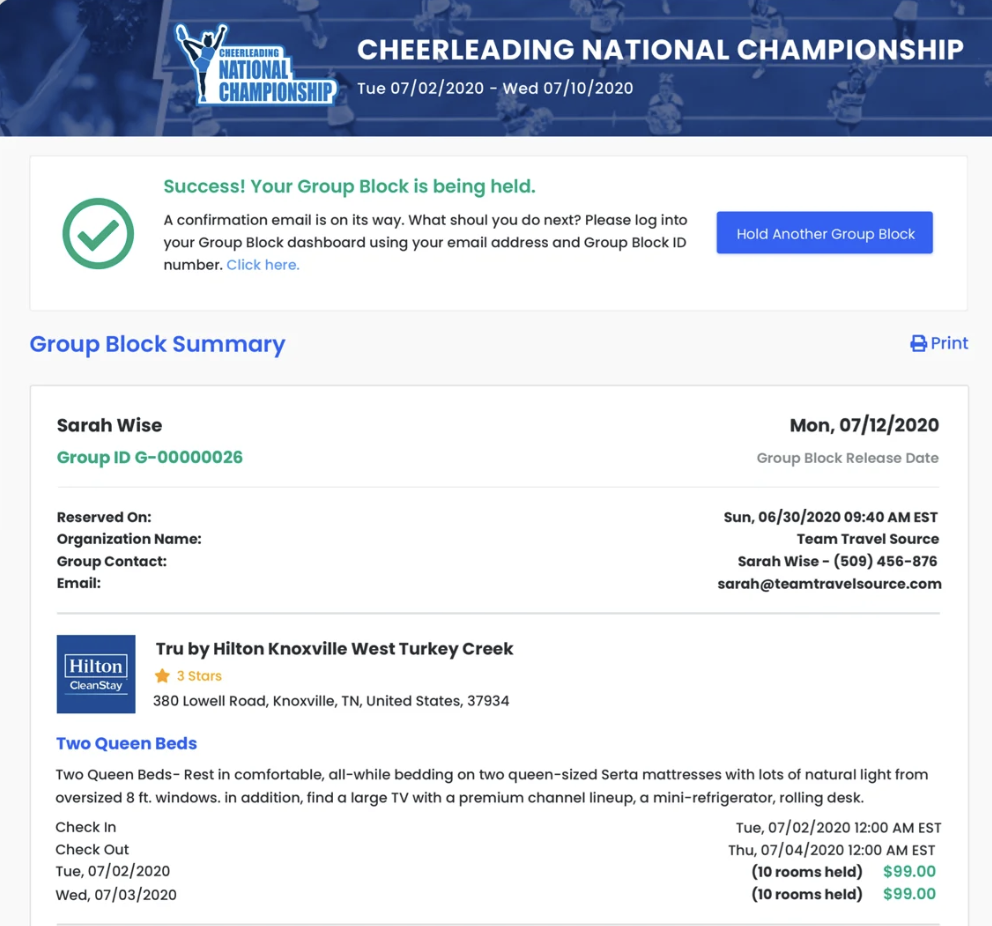
The EventPipe platform does all of this—and more—in a thoroughly modern, streamlined way. The platform enables you to create a branded housing site in minutes, organize hotel rooms, manage group blocks, streamline the hotel RFP process, and access the reporting you need to determine event return on investment (ROI).
You can monitor confirmed hotel reservations, track hotel cut-off dates, and analyze the financial and economic impact of your events.
Effective event production relies on perfect event setup and on-site logistics management. This includes a range of tasks—from setting up stages and sound systems to organizing catering services and seating arrangements.
Coordination among various vendors and teams is essential for every element to be carefully planned and implemented. Ensuring that the necessary equipment is distributed correctly and that staff are well-informed will prevent interruptions during the event.
Maintaining a fun and engaging atmosphere will help create a memorable event experience for everyone, whether you’re attending a corporate event or a tradeshow. Consider incorporating creative ideas such as interactive booths, live entertainment, raffles, or surveys that encourage attendees to participate and engage. This can help promote networking and enjoyment, leaving a lasting great impression.
Event producers should have the mindset that “anything that can go wrong will go wrong.” While ideally, nothing will go wrong, it’s always important to be prepared!
This could involve having backup plans for potential technical failures, addressing unexpected weather changes for outdoor events, or managing last-minute schedule adjustments. Having a skilled troubleshooting team ensures that issues are handled efficiently, reducing their negative impact on the attendees’ experience.
One of the most critical aspects of event production is ROI. This is where your strategic planning pays off by establishing clear metrics for success beforehand, whether through attendee satisfaction, the number of participants, or direct revenue generated.
By tracking these metrics, you cannot only justify the event's ROI to stakeholders and investors but also gather invaluable insights for future events. Additionally, analyzing local economic indicators, such as hotel occupancy rates, spending at nearby businesses, and tax revenue, can help highlight your event's contribution to the local economy.
Closely reviewing this data enables a comprehensive understanding of your event's footprint and informs better decision-making for subsequent projects, ensuring that every event you produce is more impactful than the last.
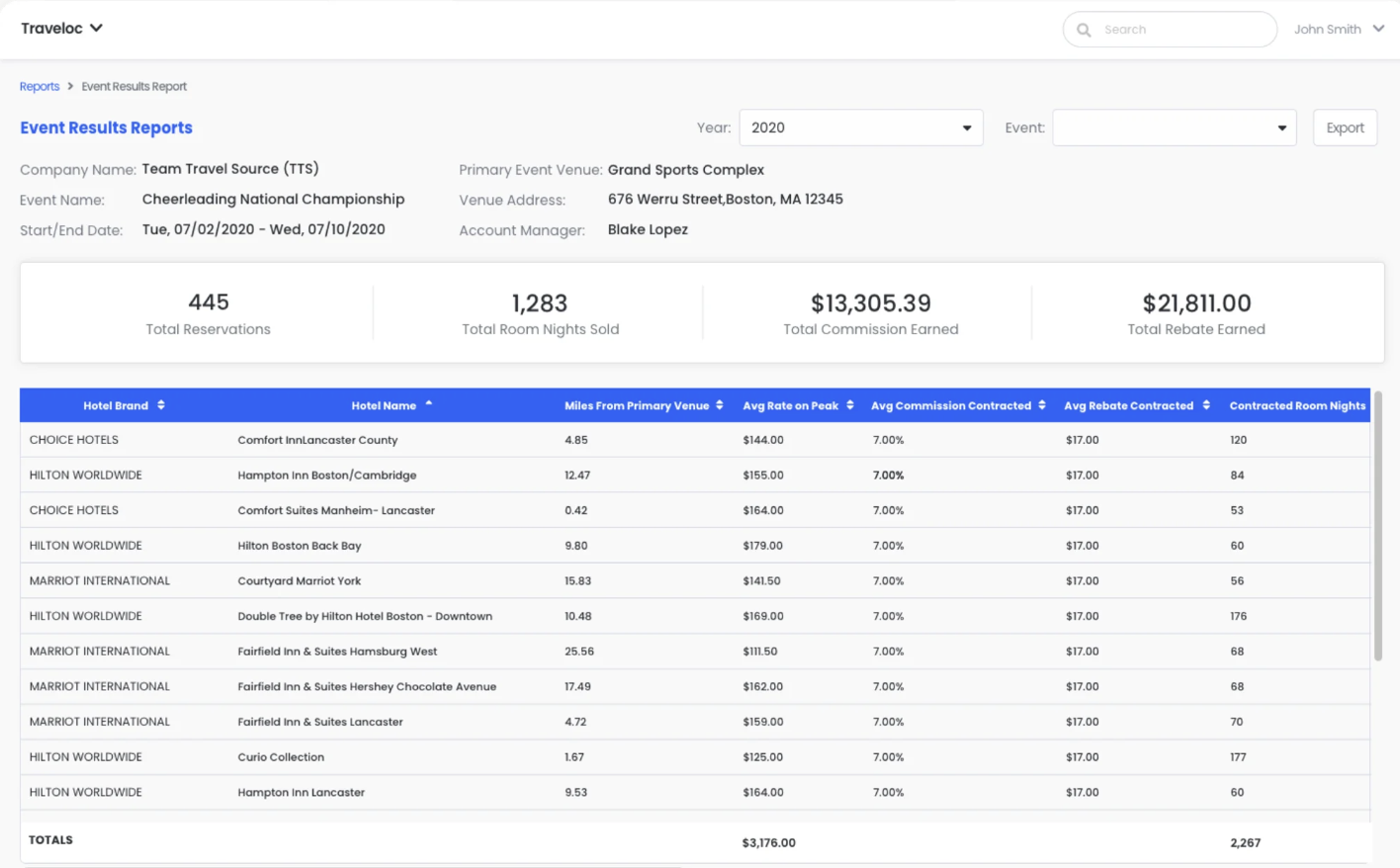
With EventPipe's Report Center, gathering detailed analytics and insights that prove your event's success is easy. You can analyze the financial performance of your events, rebates, and commissions, monitor hotel cut-off dates, and keep track of the confirmation status of your event’s reservations.
The success of event production depends on how well it was planned and produced. Mastering event production involves not only a keen eye for detail but also utilizing the right tools to simplify complex processes. This is where EventPipe becomes a must-have software platform, particularly in the domain of event housing management.
EventPipe simplifies the challenging task of managing attendee accommodations — a necessary aspect for all in-person events. The intuitive platform streamlines the typically tedious processes of hotel selection, room block management, booking, and attendee support into a seamless, hassle-free experience. Post-event analysis and accounting also become more manageable, enabling you to assess and refine your strategies for future events.
By incorporating EventPipe into your event production management toolkit, you not only ensure smooth operations but also elevate the entire attendee experience. Secure your next event’s efficiency and attendee satisfaction with EventPipe—where every detail of event housing management is meticulously managed for you.


Jeff is the Marketing Manager at EventPipe. He brings a decade of Marketing experience with a background in social media, events, SEO, and content. Outside of work, Jeff is an independent Hip Hop artist who regularly releases and performs his music and loves to golf and play ice hockey in his spare time. Jeff holds a bachelor of arts in Economics from Union College, with a minor in Spanish.
