
Negotiating hotel contracts can be a daunting task for even the best event planners, but it's an essential skill in the world of event management and hospitality. Whether you're organizing a small meeting or a large-scale conference, understanding the intricacies of hotel contracts is key to managing a successful event.
A lackluster contract will lead to headaches down the road, but a well-built one can lead to better event ROI, relationships with hotels and overall attendee satisfaction.
This guide provides clear, straightforward advice, covering everything from basic elements of hotel contracts to effective negotiation techniques, offering you a complete resource for excelling in your next negotiations.

A contract sets out the terms for a working relationship between an event organizer and a hotel. It's a legal document that covers room reservations, event spaces and other services critical for successful event housing management. This offers legal protection for both sides, in case anything were to go wrong.
Contract terms are just the starting point though; event housing management also covers everything that happens after signing, from inventory setup to the final reconciliation report.
Understanding the purpose and details of a hotel contract is key to a successful event, ensuring both parties have clear expectations and agreed terms. Strong hotel contract negotiation also shapes how easy the block is to manage later, since the cutoff and attrition terms you accept set the rules for the entire booking window.

The right contract depends on what your event needs from the hotel. Some cover only a block of rooms, while others bundle meeting space, catering, and amenities into a single agreement.
A wedding usually needs only the block of rooms, which keeps negotiating the hotel contract simpler than a full conference agreement.
Sizing a wedding room block is its own exercise, since guests book on their own timeline with no registration deadline pushing them.
These contracts lay out the terms and conditions for using hotel and restaurant services and can vary greatly depending on the type of event and the services required.
Here are some common types of contracts you might encounter:
Ideal for events where multiple hotel rooms are required. These contracts typically offer discounted rates for a block of rooms and may include specific terms regarding the minimum number of rooms to be filled, cancellation policies and payment schedules.
Need help with group booking? Try out EventPipe. Its cloud-based, self-service software simplifies every part of event housing management. Easily procure and manage event room inventory for groups and events of all sizes.

Tailored for corporate or educational events that need not only accommodation but also meeting spaces. These contracts often include details about the use of conference rooms, technology support and catering services for attendees.
For an association conference, that negotiation starts at the shortlist stage, when you pick the conference venue and hotel partners around it as one decision.
Used for personal events like weddings or parties. These contracts usually cover banquet facilities, custom menu options, room accommodations for guests and possibly décor and entertainment services.
These are comprehensive contracts that include a wide range of services such as lodging, food and beverage, use of event spaces and other amenities. They are often negotiated for large-scale, multi-day events.
Specific to food and beverage services, these contracts are essential when the event involves a meal or reception. They detail menu items, service styles, pricing and any minimum food and beverage spend requirements.
These contracts include terms regarding minimum commitments for room bookings, event space as well as food and beverage spend. They specify penalties if the actual usage is less than the agreed amount and detail the conditions under which cancellations are allowed and the associated damages owed.

Almost everything, if you ask. When negotiating with different hotels, you’ll find some are more flexible on terms than others. Almost 90% of event organizers think that offering flexible contract terms is very important.
Here are key areas where negotiation can make a significant difference:
Negotiating room block rates is especially important for large events, where the cost savings can be substantial.
A room block is a reserved set of hotel rooms set aside for event attendees, typically at a discounted rate. By securing a hotel block, you provide your attendees with affordable and convenient accommodation options. This not only makes attending the event more appealing but can also significantly increase overall attendance and contribute to the success of your event.
In contrast, general room rates are the standard rates for hotel rooms, which do not offer the benefits of grouped reservations and are typically higher. These are the rates the average consumer would have access to.
Negotiating a flexible payment schedule within your hotel contract can provide you with the necessary leeway to manage your cash flow more efficiently.
This might include staggered payments to the hotel, reduced upfront deposits or extended deadlines, all of which can alleviate financial pressure and provide more breathing room for budget management.
These terms are essential for protecting your interests in case of unforeseen circumstances. Negotiating these policies provides a safety net, allowing for some level of flexibility should you need to modify or cancel your event with the hotel.
It's important to establish clear terms for cancellations, including deadlines and refund amounts to avoid any potential damages. This clarity can save a lot of trouble and potential financial loss in the future.
If you’re hosting an event at a hotel, the quality and variety of food and beverage options can leave a lasting impression on your attendees–especially for events spanning multiple days. In addition to customizing menu options, pricing and service styles to match your event's theme and attendees' preferences, it's important to consider meals beyond the main event. This can include options like providing breakfast or lunch options for overnight guests.
Ask for these items priced separately, because hotel meeting room costs are only comparable when rental, AV, and catering are quoted apart from each other.
Some attendees will have specific tastes and dietary requirements. So, being proactive in making sure these needs are met makes the event more enjoyable and inclusive, enhancing the overall experience for those staying at the hotel.
Additional services and facilities, such as spa access, fitness centers or transportation services, can significantly enhance the overall experience of your attendees. Negotiating these amenities can add value to your event, making it more attractive and enjoyable for participants.
When negotiating these amenities, consider leveraging them against room rates. For example, you might agree to a slightly higher room rate in exchange for special services, VIP treatment in the hotel's facilities or complimentary extras.
Remember, a flexible approach in these negotiations can yield mutually beneficial outcomes, ensuring a memorable experience for your guests while maintaining a good relationship with the hotel.

This clause addresses the minimum number of rooms that must be filled to avoid penalties. Negotiating attrition rates is important for minimizing the financial risks associated with unsold rooms. It involves setting realistic thresholds and agreeing on fair penalties if the actual room usage falls short of the contracted amount.
This negotiation is crucial for balancing the risks between the event organizer and the hotel, so take the time to make sure you agree on a number you can pull together.
Beyond the standard components, there are often additional elements in a hotel contract that you can negotiate, which might not be immediately apparent.
These can include complimentary Wi-Fi, parking, shuttle services or even upgrades for VIP attendees. You might also negotiate the use of common areas, advertising spaces for your event or special equipment for your meetings.
It’s important to consider every aspect of your event’s needs and ask about the possibilities. Sometimes, the most beneficial terms are found in these less obvious areas, providing unique advantages and added value to your event.

A solid contract spells out the money and the risk in writing: the rates, when you pay, what happens if you cancel or fall short on rooms, and how commissions and comps work. A well-written basic hotel contract should cover:

Come in prepared and bring proof. Know your budget, your must-haves, and your event's track record before you sit down, then use flexible dates, a clean cancellation history, and past ROI to earn better terms. Here's how to approach the process:
Start by understanding your budget and ROI goals and identifying what aspects of the contract are most important to your event. Determine what you need, what you want and where you have flexibility.
Research current market rates to understand what constitutes a good deal.
Timing can significantly impact costs. Explore different dates and times, as certain months or days of the week may offer lower rates due to lower demand.
Event housing management tools like EventPipe can be invaluable in this process. EventPipe’s simple yet comprehensive platform provides access to:
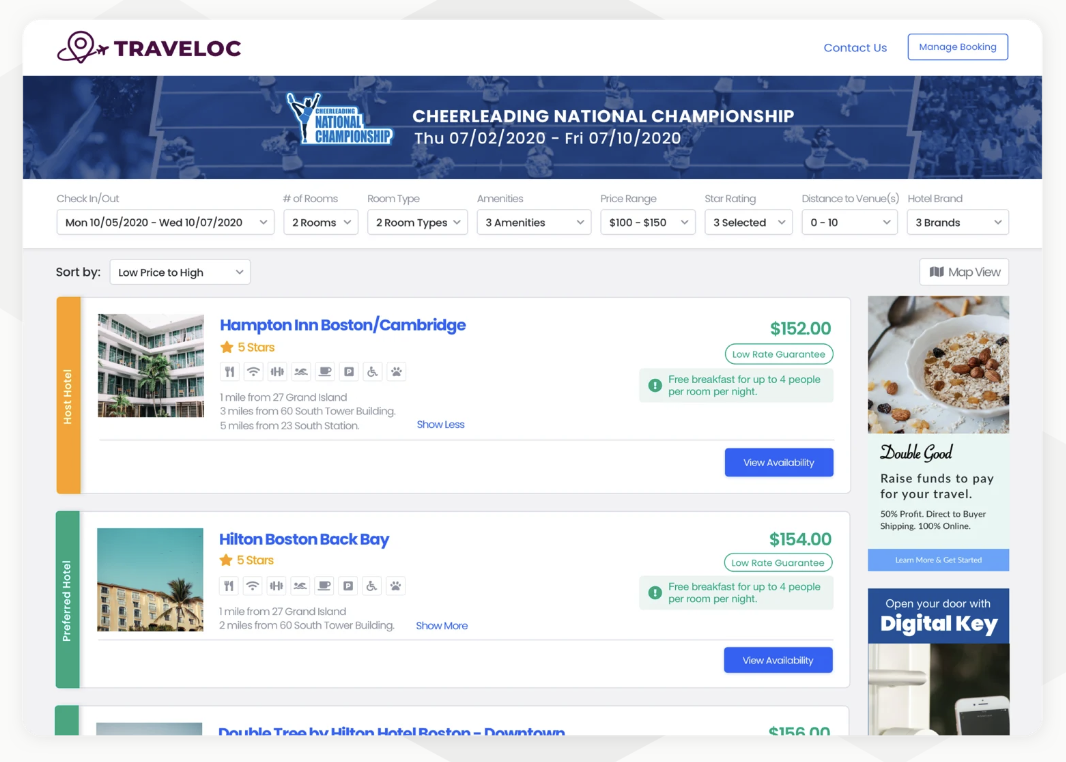
This level of efficiency not only saves time but also reduces the workload needed to get things running. Guests also enjoy a straightforward booking process with clear pricing options and cancellation policies, contributing to their satisfaction and likelihood of attending future events.
That same visibility carries into negotiations, since housing management software for events keeps pickup history and past attrition numbers on hand instead of buried in last year's spreadsheet.
Hotels favor reliable partners. Demonstrating a history of low cancellations can position you as a low-risk client and may lead to better terms.
Use data and past success stories to show the potential value of your event to the hotel. Having ROI analytics on hand will be beneficial here. A housing management software, like EventPipe, can simplify this process for you.
EventPipe provides comprehensive analytics and reporting features that allow you to track key performance indicators such as room block utilization, attendee satisfaction and revenue generated from hotel bookings.
Entering negotiations with these numbers in hand will help tip the balance in your favor.
These local experts can offer insights and assistance, often leading to better deals thanks to their knowledge and connections.
Building a good relationship with the hotel's representatives can make a big difference. Personal connections can lead to more favorable negotiations.
Ensure that your contract credits your event for all guests, even those who book through external channels. This can come in handy for meeting room block commitments and avoiding penalties.
Attendees will still book around the block, so pair that clause with corporate hotel booking software that shows pickup by property while there is still time to release rooms.
Lean on a clear process and the right tools. When your rates, blocks, RFPs, and reporting live in one system, you walk into negotiations with the data and the flexibility to ask for more.
Negotiating hotel contracts doesn't have to be a complex and daunting task. By employing the right strategies and tools, you can simplify the process, ensuring successful outcomes for both your events and the hotels you partner with.
This is where an event management tool like EventPipe can ensure your next event is a success. By leveraging EventPipe’s capabilities, you can focus more on the strategic aspects of your event planning and less on the administrative burdens of hotel contract negotiations.
Whether you're organizing a large conference, a sports tournament or any other type of event, EventPipe equips you with the tools you need to manage event housing effectively and effortlessly.
Its commitment to simplicity, efficiency and user satisfaction makes EventPipe an ideal partner for event planners looking to enhance their event’s success and simplify their housing management processes.
See how it works: book an EventPipe demo.
As early as you can lock in your dates and a rough room count. For large events that often means 12 to 18 months out, since hotels release group rates and space on a first-come basis and the best blocks go fast. Smaller meetings can move quicker, but starting early gives you a stronger hand on rates and the freedom to walk if the terms aren't right.
The contract is the full legal agreement; the room block is one piece inside it. A hotel contract covers everything you and the hotel agree to, including rates, payment, cancellation, food and beverage, and penalties. The room block agreement is the part that reserves a specific number of rooms at a set rate for your attendees. Every group room block sits inside a broader contract, but a contract can cover far more than just the block.
The fine print decides how much of your budget you keep. Attrition penalties, cancellation terms, and comp room counts can quietly eat into margin, while a well-negotiated commission or rebate on room bookings can turn housing into a revenue stream instead of a cost. The same event can land in the black or the red depending on how those clauses are written.

Jeff is the Marketing Manager at EventPipe. He brings a decade of Marketing experience with a background in social media, events, SEO, and content. Outside of work, Jeff is an independent Hip Hop artist who regularly releases and performs his music and loves to golf and play ice hockey in his spare time. Jeff holds a bachelor of arts in Economics from Union College, with a minor in Spanish.
