No matter the event you’re hosting, from a sports tournament to a corporate retreat, being able to measure and prove your event ROI is critical to the event’s success and helps determine whether or not you continue with the event next time around. Measuring event ROI helps event producers understand the outcomes achieved, identify areas for improvement and more.
However, measuring the performance of your event can be difficult without the proper tools, metrics, and strategies. To help you out, we’ve come up with a guide that delves into the nuances of event ROI to achieve high impact in all types of events, from youth sports fundraisers to music festivals.
From attendance rate to brand awareness and beyond, we offer insights and practical advice to enhance your event's effectiveness, foster meaningful relationships and ensure satisfaction across the board.
Event ROI, or Return on Investment, refers to the measurement and evaluation of the financial returns and overall success of an event relative to the resources invested in planning and executing it. It’s a metric used to assess the effectiveness and efficiency of an event, helping organizers determine whether the event achieved its objectives and if the investment was justified.
Calculating event ROI involves comparing the financial gains or benefits generated by the event against the total costs incurred in organizing and hosting it.
Companies need to measure event ROI to assess the financial success of the event, provide transparency, and foster continual improvement throughout the event production process.
Here are key reasons why measuring your event ROI metrics is vital:
In essence, measuring event ROI goes beyond mere financial evaluation. It’s a comprehensive approach to understanding and enhancing the overall effectiveness and impact of your events.
To put it simply, a good event ROI is when your event generates more value—tangible or intangible—than the cost invested. You can create an event ROI template for similar events, but ultimately, there are numerous factors to be considered in measuring your event’s effectiveness. This includes objectives, event type, size, planning and execution.
The cost side is where most estimates go wrong, and a hotel meeting room cost breakdown keeps venue spend from sitting in the model as one guessed line item.
Research shows that the average ROI for events is 25-34%. However, this percentage varies depending on the attendance rate, sponsorship revenue, brand awareness, and more.

A little over half of CEOs believe that event marketing generates more ROI than other marketing channels. The process involves a blend of tangible and intangible assessments that provide an overview of your event's impact.
Before diving into your event ROI template and formulas, you must define clear, measurable goals for your event. These goals range from increasing brand awareness and attendance rate to generating a certain amount of revenue.
Measure event ROI with these goals in mind to ensure that you're not just calculating hard numbers, but also analyzing relevant information and client satisfaction.
To accurately measure event ROI, consider both tangible and intangible metrics, such as:
Next, an accurate assessment of costs is equally important:
A basic formula for calculating event ROI is: [(Total Revenue - Total Cost) / Total Cost] x 100
When applied correctly, an event ROI formula yields a percentage that offers insights into your financial return on investment. It quantifies the profitability of your event. However, a positive ROI may mean different things to different organizations.
However, the definition of success varies across businesses and industries. As such, consider this formula as a suggestion rather than a one-size-fits-all rule. This flexibility ensures that your evaluation aligns with your unique business goals and industry standards.
To effectively measure event ROI, you need a variety of tools, depending on your goals and needs. Here are the common types of tools you can use to measure your event’s qualitative results:
Event Management Software: Event management platforms should include various functions, such as attendee registration, ticketing, scheduling and more. These tools often come with built-in analytics features to track key metrics like attendance rate, ticket sales and attendee engagement.
Event Housing Management Software: Event housing management software helps in coordinating and overseeing accommodations for event attendees, typically for large-scale gatherings like conferences or sports tournaments.
Perhaps a hotel wasn’t a hit during an event, while another has numerous attendees on their waitlist. Whatever it is, event housing management software can help you determine what made the event a success–and what didn’t.
That kind of visibility is only possible when event housing management runs as one coordinated process, from hotel sourcing through reconciliation, instead of a bundle of disconnected tasks.
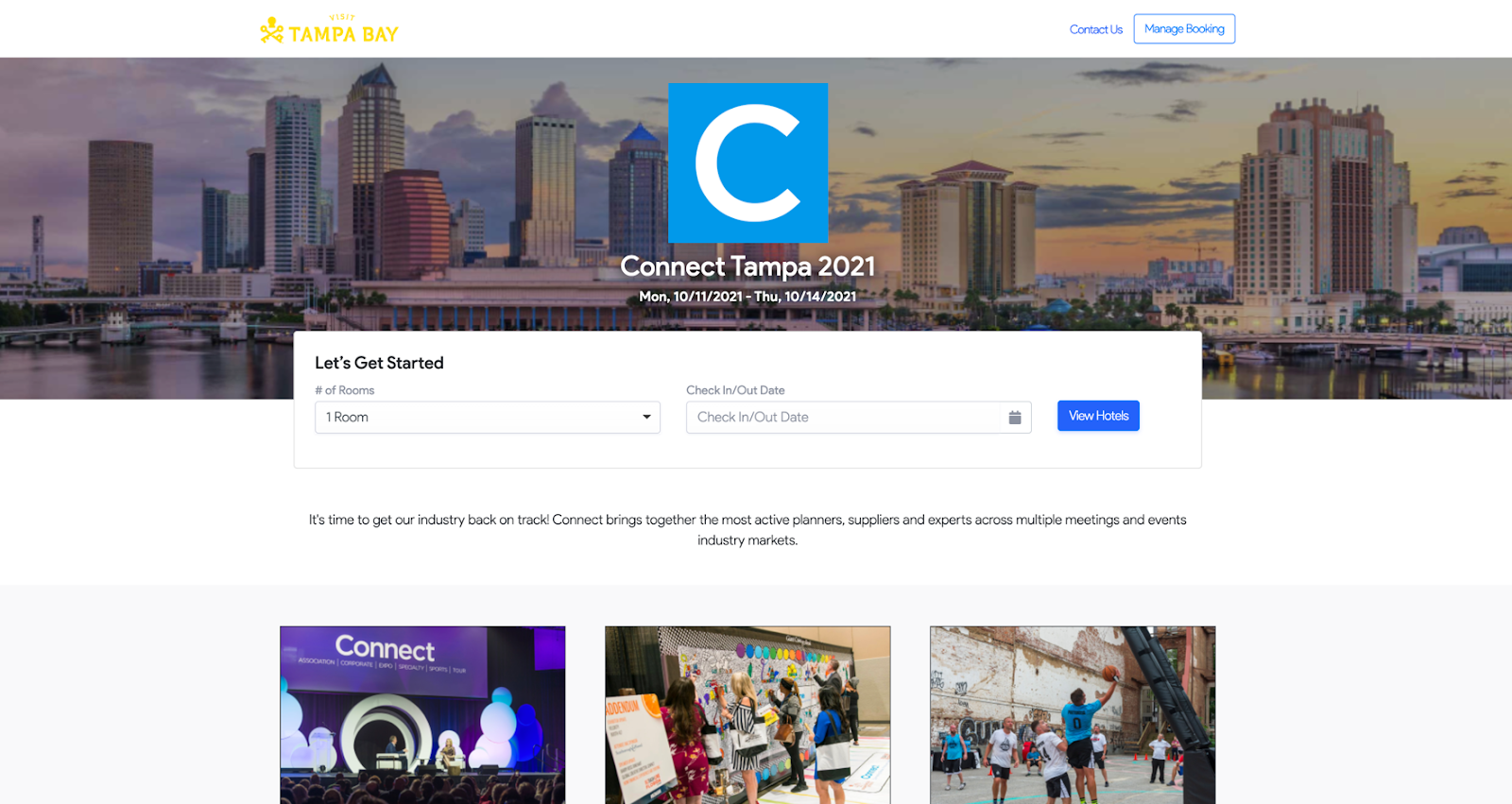
Make it easy to plan your event's accommodations–and analyze its success–with EventPipe. Simplify the Request for Proposal process, easily create a custom booking site, handle hotel blocks with ease and even boost your event's earnings through ads.
If you’re a CVB or destination, EventPipe helps you track overall revenue, rebates, commissions, pick-up rates and more. Track every metric both in real-time during the event and when the event is over so you can continue to improve and prove the economic impact of your event.
It's not just a tool – think of EventPipe as your helpful sidekick in making event planning smoother and ensuring success, across any industry or type of event, from sports tournaments to corporate events to music festivals.
Attendees get perks too, with a user-friendly mobile platform, a waitlist for hotels that are all booked up, and handy analytics available in the Report Center. EventPipe is the go-to partner for improving your event's financial performance and making everyone's experience top-notch.
EventPipe’s Report Center provides information on all your events’ pickup and financial performance, allowing you to create an event ROI template to set a standard for future goals.

Financial Management Tools: If your event management software doesn’t already have this feature, consider getting a platform for budgeting and financial planning. Tools like QuickBooks or Xero can help manage budgets, track expenses and provide financial reporting for your events.
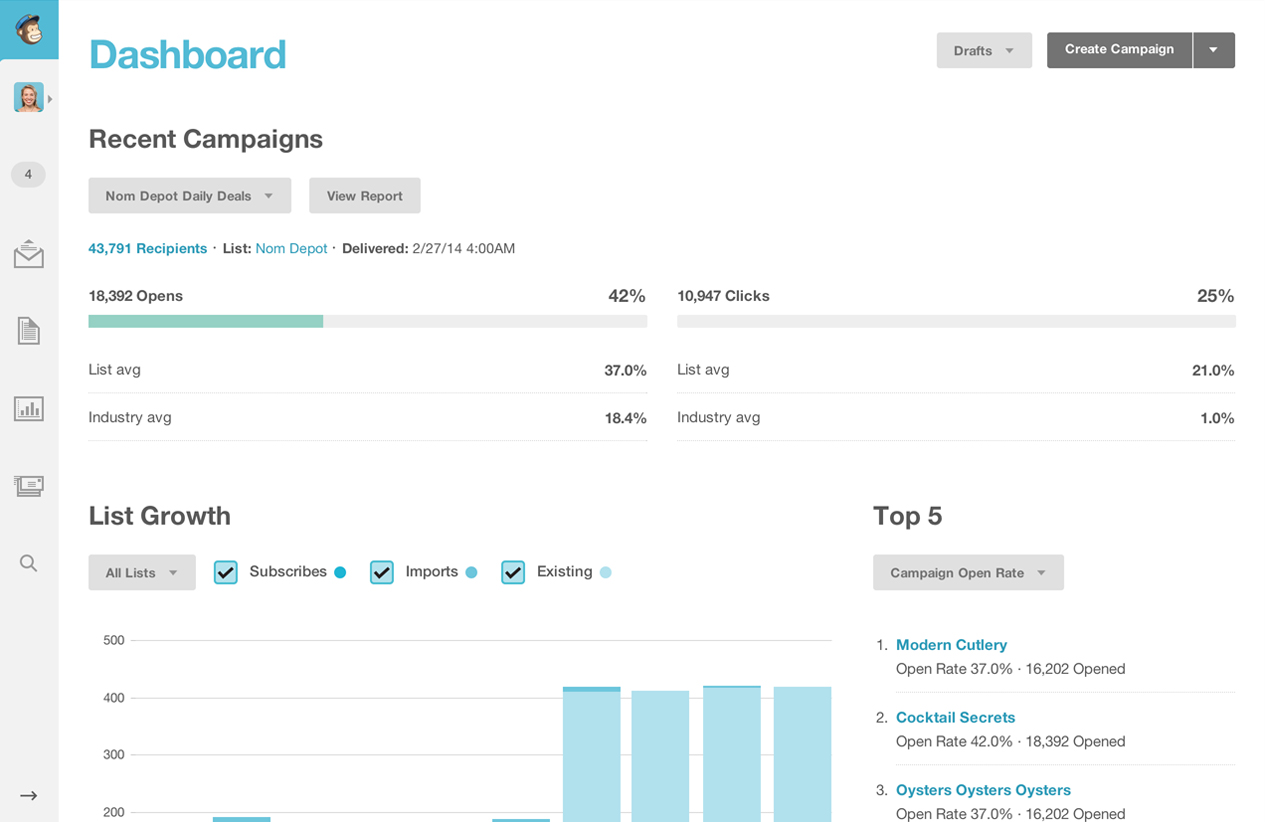
Email Marketing Software: Email marketing tools like Mailchimp provide insights into the effectiveness of email campaigns used for event promotion. They offer metrics like open rates, click-through rates and conversion rates. However, make sure that the event management software you use doesn’t already provide this feature, as some of them do.

Customer Relationship Management (CRM) Systems: CRMs like Salesforce and HubSpot are used for tracking attendee interactions, managing leads generated from the event and assessing the impact on sales or client relationships.
These systems can also be used to manage sports teams—from managing ticket sales to managing fan relationships. You can integrate these tools with your event management software for easy data access.
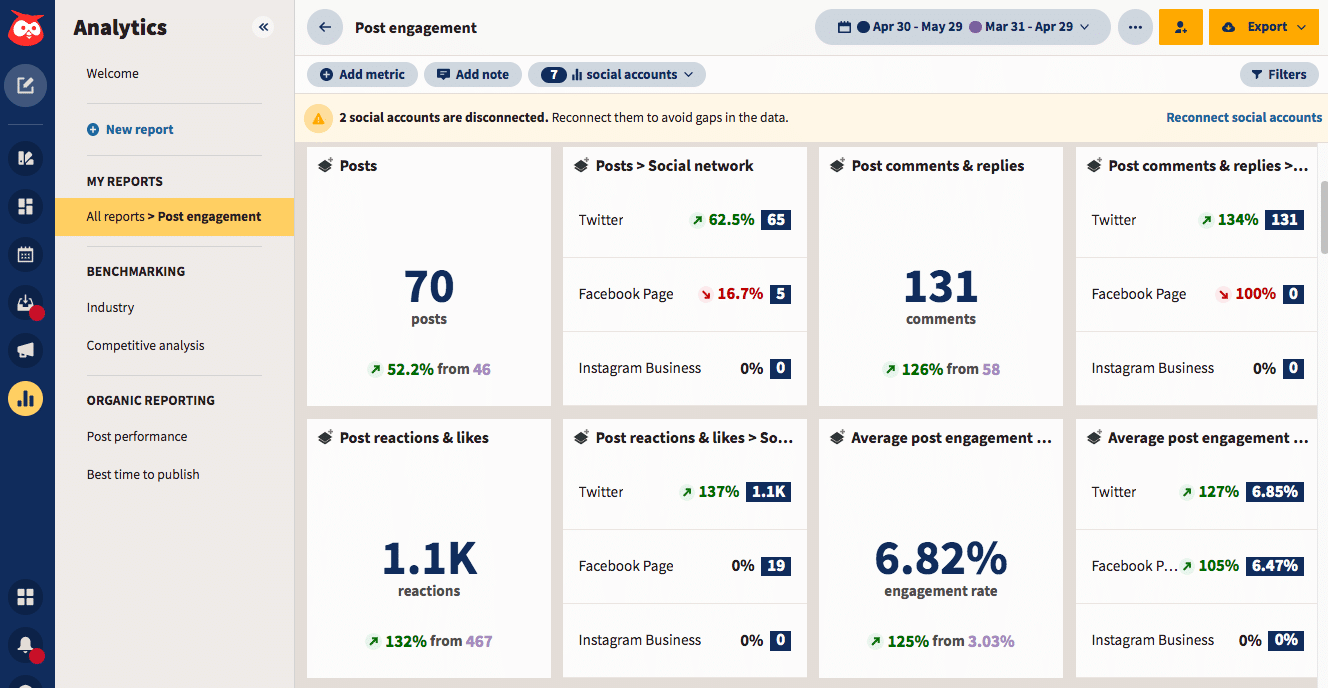
Social Media Analytics Tools: Platforms like Hootsuite or Sprout Social allow you to track brand awareness and engagement on social media. These tools can measure the reach of your event's promotional campaigns, attendee interactions and overall social media impact.
Survey and Feedback Platforms: Tools like SurveyMonkey or Google Forms are crucial for gathering data on attendee satisfaction and engagement. This feedback is important in measuring the intangible aspects of event ROI.

Lead Tracking Software: If your event is focused on lead generation, using lead tracking software helps in following the journey of leads from initial contact to conversion, providing a clear picture of the event's impact on sales.
Each of these tools plays a specific role in gathering much-needed data to measure event ROI. Integrating these tools into your event planning and execution process allows you to gather comprehensive data to make informed decisions for future events.
A strategic approach that blends past insights with forward-thinking planning can significantly boost your event's impact and profitability.
Using data from past events can help you make better decisions for your next event. Analyze what aspects resonated well with attendees and which ones fell short. Was the keynote speaker a hit? Did certain sessions have low attendance?
Understanding the 'whys' behind these outcomes can guide your future event planning. Look at attendance rates, participant feedback, social media engagement and financial performance to identify trends and areas for improvement.
Early planning allows more time for thorough market research, venue selection, securing favorable rates and crafting a detailed marketing strategy. Aside from this, early planning provides enough time for potential attendees to plan their participation, which increases the total number of people attending.
Technology is your friend in measuring event ROI metrics. Automation saves time, reduces errors, streamlines processes and provides more insight. For example, with EventPipe, you can simplify complex event planning tasks like creating a branded housing site, managing room blocks, adding revenue sources and booking for attendees.
These automations increase efficiency, thereby positively impacting your event ROI.
Your attendees are the focus of your event. Planning with their interests, preferences and comfort in mind is key to ensuring engagement and satisfaction.
Here are some key things to remember in this aspect:
Satisfied attendees are more likely to return and recommend your event to others, which increases your ROI for the long term. Remember, an event designed around its participants is more likely to succeed and yield a higher ROI.
The biggest part of producing an event comes down to ROI, which is really where the software, technology and tools come into play.
EventPipe stands out by offering a user-friendly interface for managing accommodation logistics—an often overlooked but vital component of event ROI. You can monitor which hotel reservations are confirmed, keep track of hotel cut-off dates and analyze the financial and economic impact of your events.
For a company event, that reporting is what finance asks for, and corporate hotel booking software turns spend spread across four properties into one number instead of a quarter-end surprise.

Jeff is the Marketing Manager at EventPipe. He brings a decade of Marketing experience with a background in social media, events, SEO, and content. Outside of work, Jeff is an independent Hip Hop artist who regularly releases and performs his music and loves to golf and play ice hockey in his spare time. Jeff holds a bachelor of arts in Economics from Union College, with a minor in Spanish.