
Events such as youth sports tournaments, association conventions, and weddings all have one thing in common; the contracted blocks usually sell out while demand for those rooms is still high. When the block closes, you lose access to rooms, visibility into bookings, and revenue that could have been captured with better planning.
For a wedding hotel block, that lost revenue is the commission a planner never sees once guests scatter to third-party sites.
This period of time, between when the block is released and your arrival date is called post-block or overflow. These bookings, should be built into your hotel booking strategy from the start. Event planners often underestimate demand, and many events see registration spikes after the main block is closed. A Post-block strategy can ensure attendees always have nearby lodging and prevent last-minute chaos.
This guide will show you how to make overflow management seamless and strategic. You'll learn how to protect revenue, support guests, and take advantage of tools like Presto to keep bookings on-platform and fully visible.
As a tool, post-block hotel booking (or overflow) is the process of securing additional lodging once your main room block is full or past its cutoff. No matter what type of event you're managing, an overflow strategy ensures you can still accommodate attendees without compromising bookings.
Overflow planning works best as an extension of the core room block management process, not a replacement for it. It typically becomes necessary in two key scenarios:
Large-scale events, such as conferences, tournaments, or citywide events, often sell out their primary room block well in advance. Demand outpaces the initial forecast, leaving organizers to secure additional rooms quickly, jeopardising the guest experience and operational control.
Here are a few common triggers that make overflow planning essential:
Sometimes the host hotel doesn't have enough rooms to meet your projected attendance. Or the initial contract covers only part of the expected demand. In both cases, overflow planning gives you backup properties and protects against last-minute scramble when registrations spike.
Several factors can contribute to limited block availability:
Once your main room block fills or hits its cutoff, your overflow plan needs to activate. Managing post-block bookings isn't complicated, but it works best when you've already mapped out the next steps: hotel inventory, rates, and attendee communication.
Lock in nearby hotel options to handle post block demand.
Rates for overflow rooms can be negotiated, but they may not match the pricing or perks of your primary block.
Attendees need fast, clear instructions on where to book once the main block is full.
Post-block hotel booking is a strategic extension of your housing plan. When you anticipate overflow in your RFP process, you protect revenue, maintain guest satisfaction, and strengthen leverage in future hotel negotiations. It's not just about plugging holes when your main block fills up. It's about giving yourself room to grow and making sure no one gets turned away.
For organizations exploring alternative revenue strategies, post-block bookings represent one of the most accessible starting points because the demand already exists and just needs a system to capture it.
Those overflow reservations still need to be reconciled against the contracted block at closeout, which is easier when hotel contracts, bookings, and commission data already sit in one account.
Overflow booking helps you stay ahead of the curve. Many planners now build overflow into their housing strategy from the start because they know demand will shift, especially with high-attendance or late-booking events. Group overflow services are key to salvaging demand after blocks sell out, helping planners recover lost revenue and protect the attendee experience.
Even the most organized events will have attendees booking after the block closes. Teams that qualify later than expected, conference attendees drawn in by a keynote announcement, or wedding guests who book past the RSVP deadline still need nearby options. With overflow in place, you don't have to turn them away.
Planning a wedding guest list around a cutoff date is more predictable than most events, because the planner knows by name who has not booked yet.
Attendance can fall by 20–30% when guests are left to figure out lodging on their own. That's lost participation, lost engagement, and lost revenue.
That's why overflow planning matters. When your primary block sells out, having clear, convenient backup options keeps attendance strong and cancellations low. It removes a major barrier and helps you stay in control—even after the main block is gone.
Not every attendee wants to stay in the host hotel. Some are loyal to certain brands or tied to corporate travel policies. Families may be looking for lower price points or amenities like breakfast and pools, while speakers or VIPs might prefer upgraded accommodations. By offering overflow options, you give guests a choice while still keeping visibility and revenue tied to your event.
Post-block booking keeps your event moving forward, but it comes with trade-offs. Overflow adds cost, complexity, and risk, and if you don't plan for it, these challenges can erode your attendee experience and cut into housing revenue.
Once your contracted block closes, the leverage shifts to the hotels. Overflow rates climb, concessions disappear, and attendees who book late pay more than those who booked early. That price gap frustrates guests and makes it harder for you to forecast total spend with accuracy.
When attendees scatter across multiple hotels, the event community starts to splinter. Networking gets weaker, casual meetups drop off, and guests in overflow properties often feel like they're on the outside looking in. That disconnect hurts both satisfaction and long-term loyalty.
Even post-block contracts come with cut-off dates, often a week or more before the arrival date. If you're relying on overflow alone, last-minute registrants could still end up without a room. That leaves your team scrambling and your guests looking elsewhere. Without a flexible strategy, you're still exposed.
Overflow properties don't always deliver the same standards as your host hotel. Guests may encounter smaller rooms, stricter check-in policies, or fewer amenities, such as breakfast and shuttle service. The result: uneven experiences you can't fully control, but that reflect on your event.
Every extra hotel adds another layer of moving parts. Shuttle schedules multiply, arrival times stretch out, and staff spend more time troubleshooting. Without a clear system, the logistics surrounding post-block housing can quickly eat up time and resources.
Each overflow property means another contract, more inventory to track, and more attendee questions to answer. Manual management multiplies the workload and increases the risk of missed deadlines, attrition penalties, or errors that result in revenue loss. Without the right tools, post block housing creates more work than it solves.
Centralizing overflow tracking inside one housing platform keeps every property, contract, and deadline visible from a single dashboard.
Post-block booking reshapes your bottom line. Every decision you make around overflow affects how much revenue you capture, what penalties you risk, and how hotels manage their own yield. When it's not handled strategically, post-block quickly shifts from safety net to profit leak.
Once your primary block is gone, the leverage moves to the hotel. Rates climb, concessions disappear, and overflow contracts become less favorable. The result: your attendees pay more, and you capture less.
Overcommitting to overflow inventory leaves you exposed. If demand softens or registrations slow, you're stuck holding empty rooms (and the liability that comes with them).
Every overflow block comes with fine print. Miss your pickup numbers, and you're paying attrition, which means less commission and direct revenue out the door.
Overflow scatters your attendees across multiple hotels with different rates, terms, and timelines. That fragmentation makes it harder to track revenue accurately. And harder for hotels to forecast their own business.

Overflow doesn't have to be messy. With the right approach, you can turn post-block booking into a seamless extension of your housing strategy instead of a last-minute scramble. These best practices keep you in control and your attendees happy.
Integrate overflow scenarios into your initial RFP process. Identify backup hotels during sourcing so your team locks in rates and concessions up front, rather than negotiating under pressure after cutoff. Using the right tools, coupled with advance planning gives you better rates, more choices, and stronger leverage with hotels.
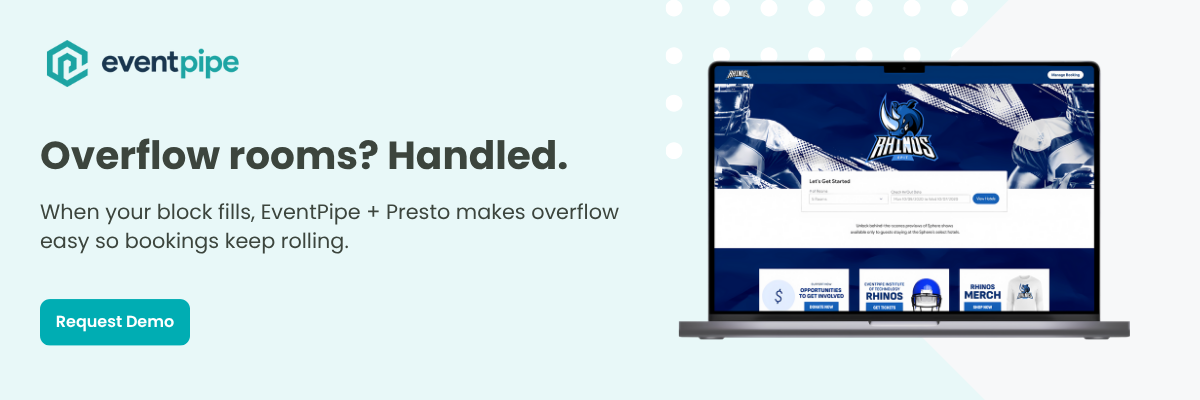
Manual tracking across multiple hotels is where mistakes happen. Platforms like Presto by EventPipe give you live access to hotel inventory without contracts or attrition clauses. That means when the block fills, overflow activates instantly, and bookings stay centralized.

Keep attendees in the loop. Let them know when your main block is close to full and make overflow options easy to find on registration pages, emails, and social posts. Transparency prevents frustration and keeps late registrants from wandering to third-party sites.
If you do contract overflow hotels, protect your revenue. Lock in fair rates, push for flexible terms, and avoid unnecessary attrition penalties. The clearer the contract, the easier it is to manage overflow without losing money.
Even the best-forecasted events experience late pickup beyond cutoff dates. Presto by EventPipe ensures you capture those bookings without opening new overflow contracts, protecting you from attrition penalties, keeping housing revenue centralized, and giving you full visibility for reporting. Here's how live hotel inventory with Presto simplifies the overflow process:
When your contracted block fills, Presto connects directly to real-time hotel rates and availability. Attendees can book overflow rooms on the spot with no waiting, no manual updates, and no missed opportunities.
Presto removes the need for secondary hotel overflow contracts and attrition clauses. You avoid new liabilities, keep your operations team focused, and never get stuck with unsold rooms.
Instead of juggling multiple hotel overflow lists or links, Presto provides a single branded booking experience. You can share it on your registration page, in confirmation emails, or across social channels. Attendees stay in your system, and you stay in control.

Every overflow booking through Presto earns you commission. That means late registrations still generate housing revenue instead of slipping away to outside booking channels.
Unlike third-party reservations, Presto keeps you in the loop. You'll know exactly who booked, where, and when, so you retain full visibility into attendee housing from start to finish.

Presto isn't only for last-minute fixes. It's designed for any event where post-block demand is a reality. Whether you're running fast-turnaround tournaments or long-lead conferences, Presto simplifies hotel overflow by keeping every booking visible and revenue-generating.
Youth tournaments often extend over multiple weekends or divisions, and housing demand shifts as brackets advance. Post-block planning ensures families can continue booking through official channels, preserving visibility and revenue without renegotiating contracts mid-event. Presto gives you a flexible overflow solution that keeps every family close to the action.
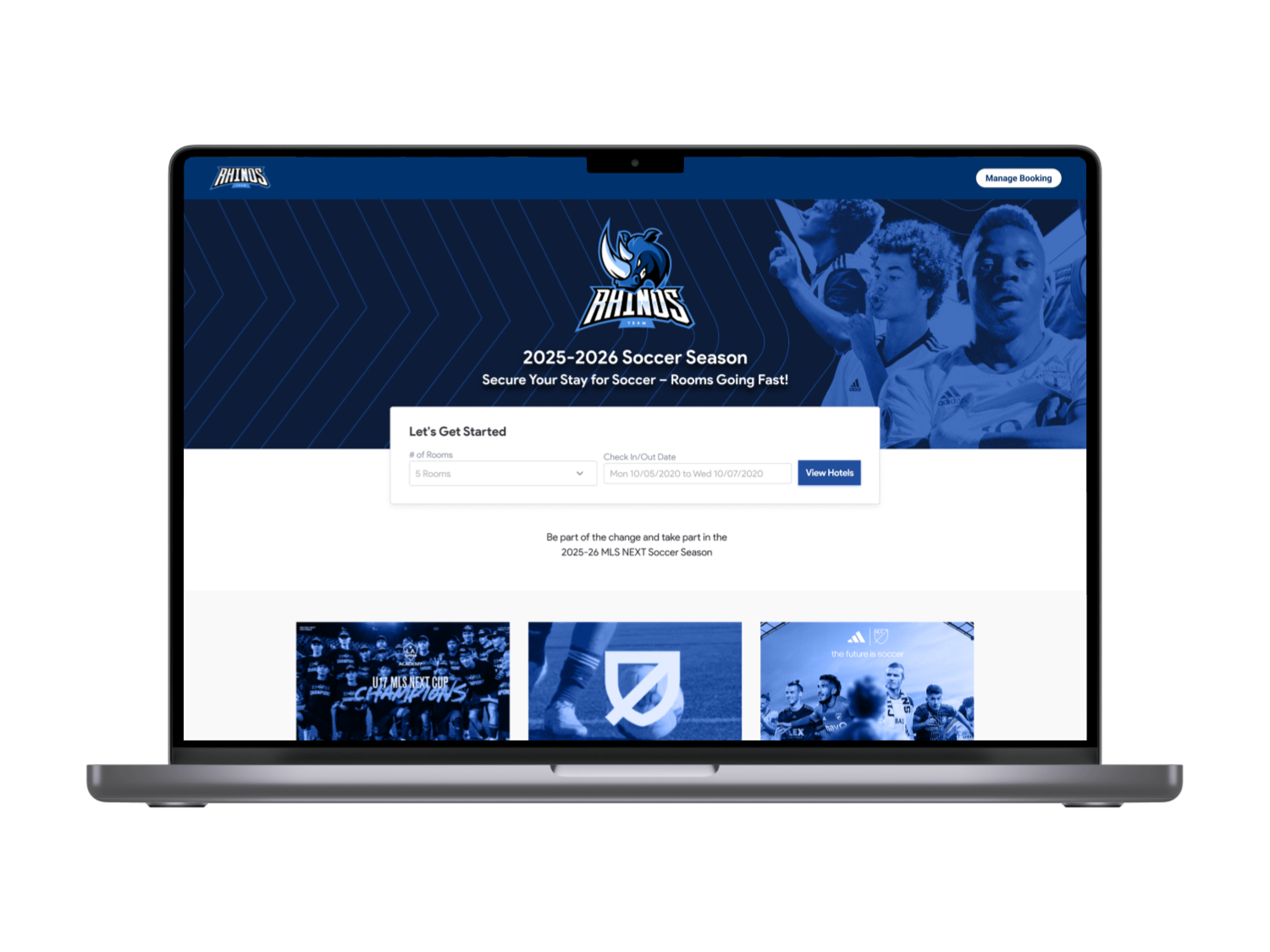
Large conferences anad trade shows often see surges after program releases or agenda updates. When your contracted block runs out, Presto ensures those late sign-ups aren't lost.

Weddings follow the same dynamics as conferences: courtesy blocks close, but guest demand continues. Post-block solutions give planners overflow options without exposing the couple to attrition penalties or losing visibility into late RSVPs. Presto keeps overflow simple for weddings by offering guests seamless hotel options once the courtesy block closes.

Corporate meetings, trade shows, and annual gatherings often rely on traditional RFP-driven blocks. When those fill or hit their cutoff, Presto steps in to keep demand on-platform.

Your overflow strategy determines how well you respond when your contracted block sells out. Without a plan in place, you risk lost revenue, frustrated attendees, and last-minute chaos.
The solution is straightforward: treat overflow as part of your contracted housing strategy. By planning secondary options early, automating overflow activation, and keeping every booking visible, you turn post-block housing from a revenue risk into a revenue safeguard. That approach transforms hotel overflow from a problem into a reliable means of supporting late registrants, protecting the guest experience, and maximizing event revenue.
With Presto, overflow activates the moment your block closes—live inventory, branded booking links, and no contracts. You stay in control, eliminate manual work, and turn post-block hotel bookings into revenue you capture, not revenue you lose.
Ready to simplify overflow for your next event? Request a demo of EventPipe and see how Presto makes post block management effortless.
Post-block booking, also called hotel overflow, refers to securing rooms after your main contracted block fills or reaches its cutoff date. It ensures attendees still have access to nearby hotels while you maintain visibility and revenue.
You should plan overflow before your main block opens. Having backup properties lined up early gives you better rates, stronger leverage, and a faster response when demand spikes.
Handled poorly, overflow can reduce yield, add attrition penalties, and create forecasting issues. Managed with tools like Presto, it becomes a revenue driver, capturing late bookings, extending commission opportunities, and keeping demand on-platform.
A contracted block locks in a set number of rooms with negotiated rates and terms. Overflow kicks in once that block fills. Overflow rooms may have higher rates or fewer concessions unless you use live inventory tools that eliminate contracts altogether.
Presto automates overflow with live hotel inventory. Instead of negotiating new contracts or losing bookings to outside sites, you give attendees a single branded link with real-time availability. That keeps every post-block booking visible, commissionable, and effortless to manage.

Jeff is the Marketing Manager at EventPipe. He brings a decade of Marketing experience with a background in social media, events, SEO, and content. Outside of work, Jeff is an independent Hip Hop artist who regularly releases and performs his music and loves to golf and play ice hockey in his spare time. Jeff holds a bachelor of arts in Economics from Union College, with a minor in Spanish.
