
There is no single best funeral home software for every firm, so the right pick depends on the problem you are trying to solve. If that problem is guest lodging, EventPipe is the strongest option: it gives families a branded booking portal linked to live inventory at nearby hotels, handles room blocks without contracts or attrition risk, and tracks affiliate revenue per service.
Other needs point elsewhere. Gather covers the full service lifecycle from intake through livestreaming. Tribute Technology combines case management, operational reporting, and digital memorials, and now includes the former CRaKN platform as Tribute Management Software. Parting Pro suits smaller teams that want faster arrangements through self-service intake, e-signatures, and online payments. Osiris fits multi-location operators and crematories needing cross-site billing, Passare fits collaborative planning and pre-need CRM, and SafetyCulture fits firms carrying compliance and inspection risk.
Pricing varies just as widely, from a published $29 per month to custom quotes based on case volume and number of locations. Decide which problem is costing you the most before comparing feature lists.
Running a funeral home or being a funeral event planner means managing more than memorials. You're balancing emotional support with nonstop logistics—from service scheduling to hotel accommodations. It's a lot, and with 45% of funeral homes still operating without centralized software, much of that work still happens manually.
Families count on you for calm, clarity, and smooth coordination. But when your team is buried in vendor calls and hotel bookings, things can quickly become overwhelming.
Good news: you don't have to do it all by hand. The best funeral home software can simplify your workflow and lift the weight off your team, from the first call to the final goodbye.
This guide breaks down the must-have features in funeral home tech, compares the top platforms of 2026, and spotlights tools built to simplify guest lodging, including EventPipe. Yes, we're in the mix. But this guide is here to help you choose what's best for your team, even if that's not us.
The features that cut manual work and keep your team focused on families instead of paperwork. The six capabilities below cover the essentials: case management, payments, virtual services, CRM, reporting, and guest lodging tools.
The best funeral home software should do more than store data. It should reduce manual work, simplify guest logistics, and help your team stay focused on serving families. Below are the core capabilities to look for when evaluating platforms for your funeral home:
No single platform does everything. Each one leans toward a strength, whether that's digital memorials, intake speed, multi-location management, or guest lodging. The table below maps the top tools by their key features, revenue tools, and best fit.
Choosing the best funeral home software starts with knowing what each platform actually delivers and where it fits in your day-to-day operations. This comparison breaks down the key features, revenue opportunities, and best use cases for the top tools funeral homes today.
Each solution below brings something different to the table, whether it's faster intake, livestreaming, marketing automation, or stress-free hotel coordination. Use this guide to quickly zero in on what fits your needs.
Match the tool to your biggest gap. Some platforms shine at case management and collaboration, others at revenue and faster intake, and a few fill one specific need like compliance or hotel lodging.
Every funeral home software platform serves different operational needs. Some help you improve intake and scheduling. Others support livestreaming, case tracking, guest coordination, or lodging. This section outlines the top tools, along with key advantages to help you match the right system to your priorities.
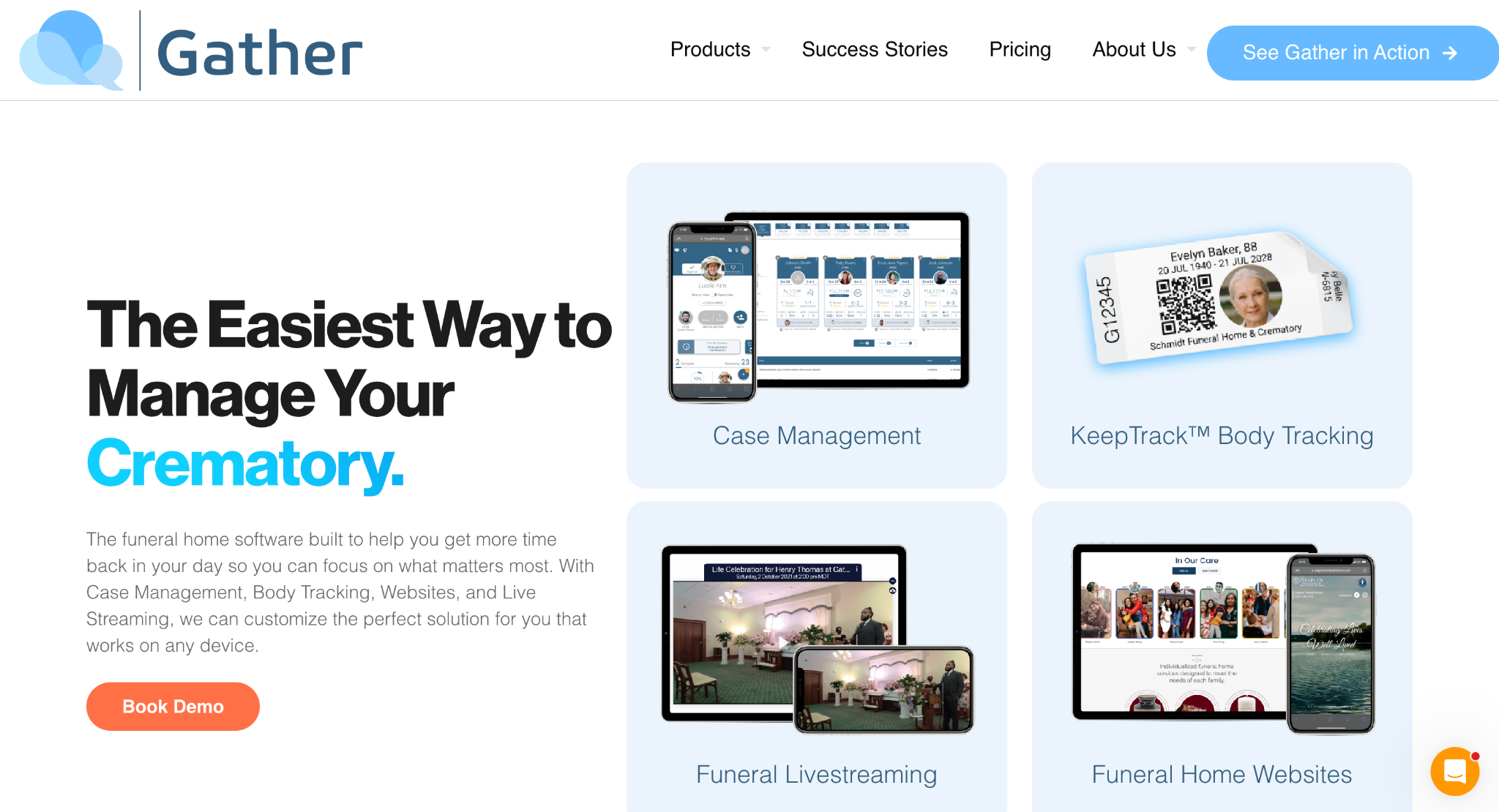
Best for: All‑in‑one case management and virtual service delivery
Gather brings your entire service lifecycle into one place, from intake to livestreaming to family communication. Users report few errors, fast workflows, and smooth collaboration.
Pricing: Custom quote
Key advantages:
Reviews:
Capterra: 4.9 stars out of 5 - 39 reviews
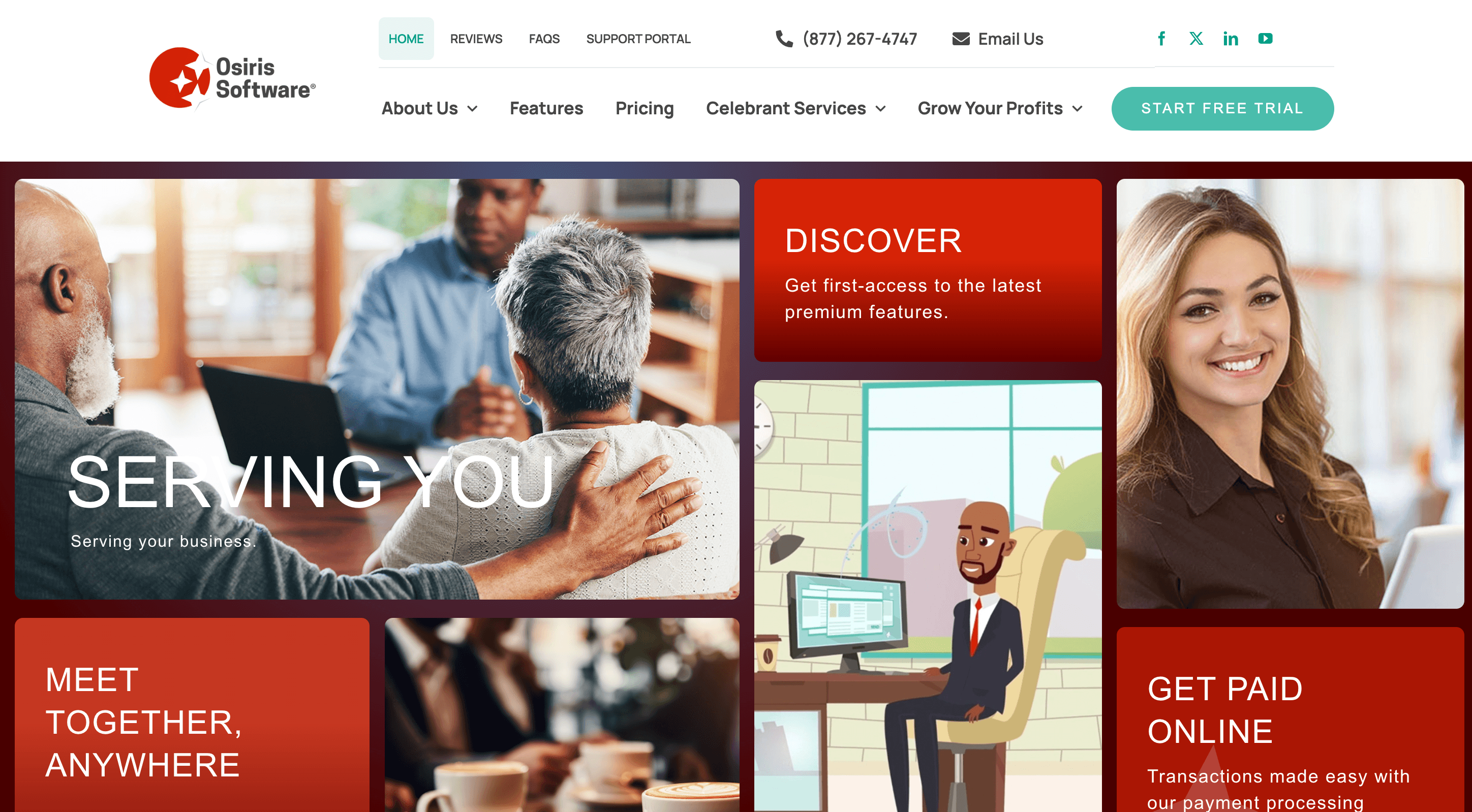
Best for: Multi‑location operators and mobile coordination
Built for scalability, Osiris Software supports teams spread across locations. It offers mobile access, CRM, billing, and secure data sharing. Growing operators benefit from features that centralize planning and communication across branches.
Pricing: Custom quote
Key advantages:
Reviews:
Capterra: 4.7 stars out of 5 - 65 reviews
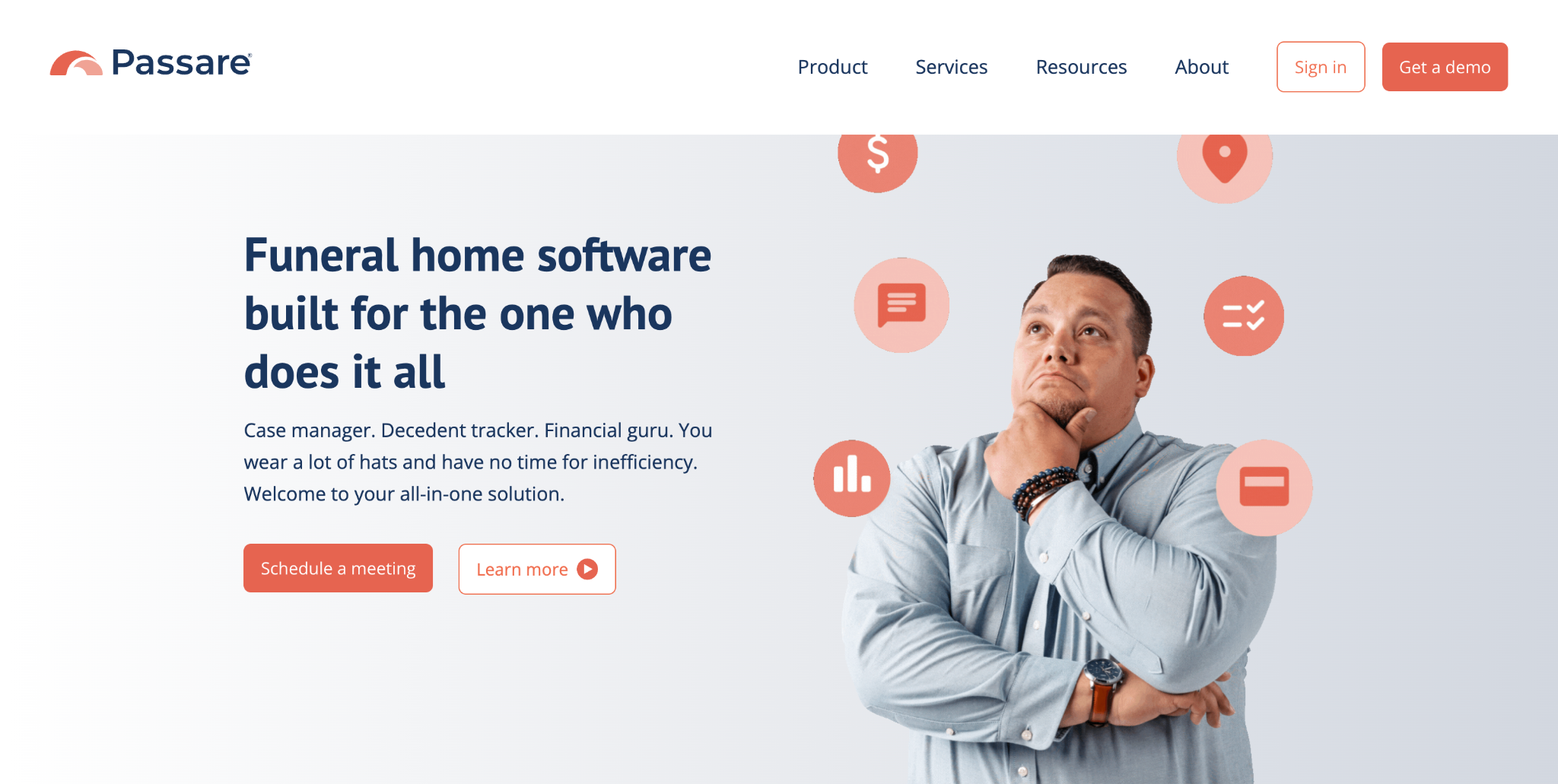
Best for: Staff collaboration and pre‑need CRM
Passare excels for funeral homes that prioritize teamwork and long-term planning. Users say it helped reduce paperwork, give flexibility, and deliver mobile access. They highlight the tool's Family Collaboration Center and affordability.
Pricing: Custom quote
Key advantages:
Reviews:
Capterra: 4.6 stars out of 5 - 13 reviews
When it comes to growth, funeral homes are looking beyond case management to platforms that drive new revenue and measurable efficiency gains. The following solutions go beyond daily operation, helping firms streamline intake, automate payments, and expand digital services that families increasingly expect.
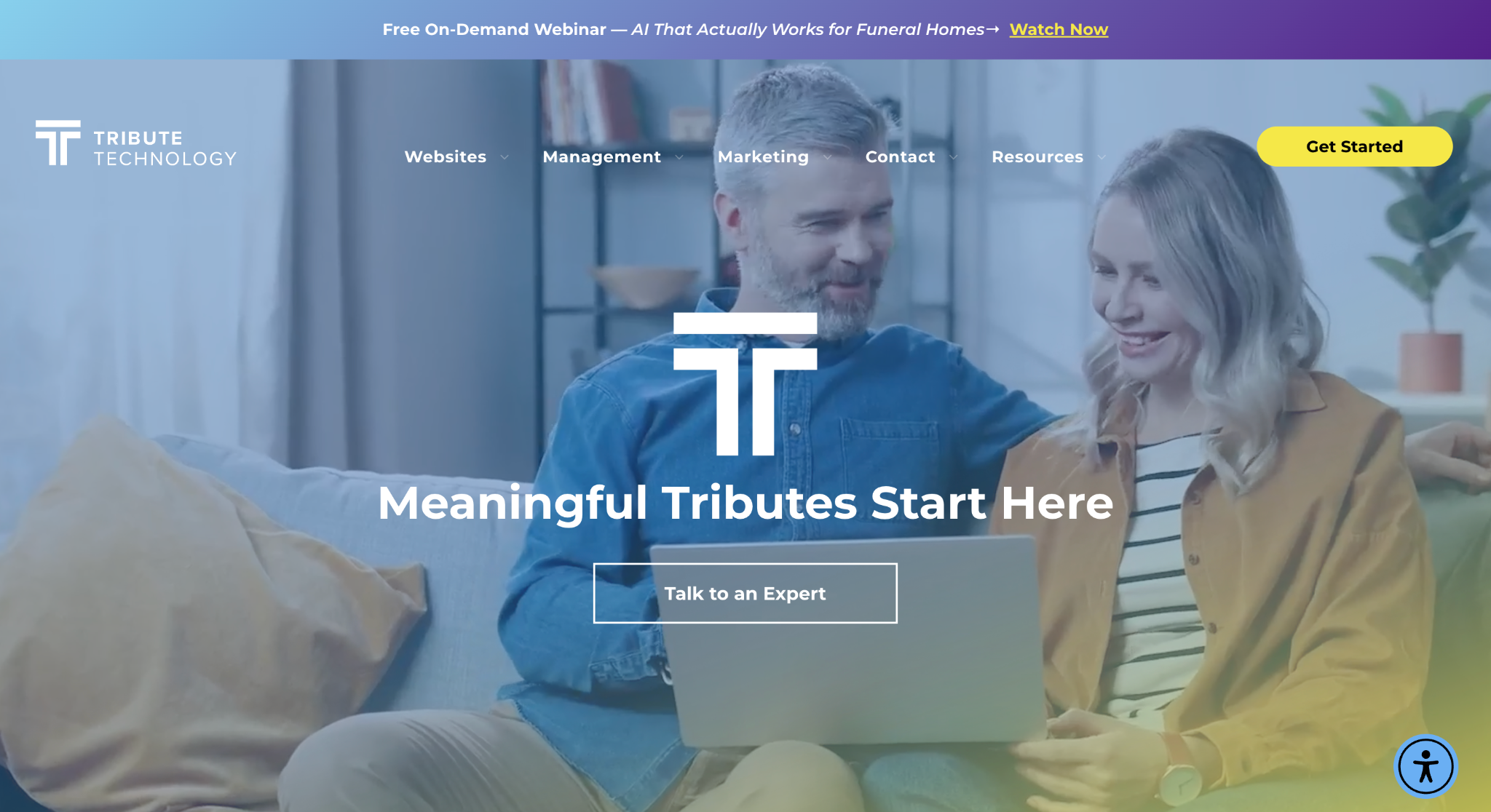
Best for: Expanding digital memorials and online sales
Tribute Technology drives engagement through AI-generated obituaries, memorial websites, and e-commerce tools. It helps you serve families digitally beyond the service itself, increasing connection and revenue.
Pricing: Custom quote
Key advantages:
Reviews:
Capterra: 5 stars out of 5 - 4 reviews
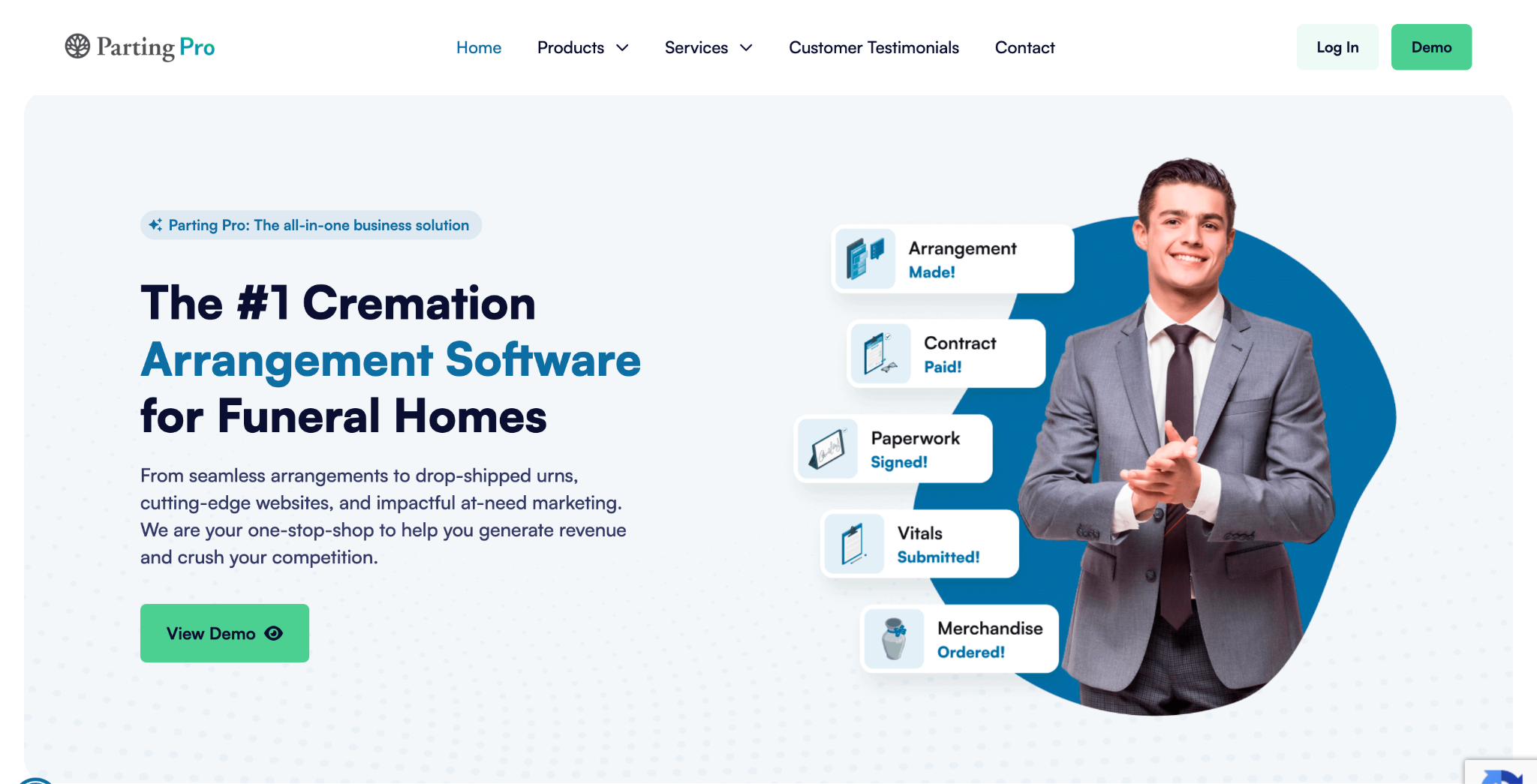
Best for: Speeding up intake and capturing more revenue
Parting Pro brings intake, documents, payments, and merchandise sales into one connected process. Users say it helps improve the family user experience from initial discovery to payment submission. Staff call it intuitive and organized, and value its digital focus.
Pricing: Custom quote
Key advantages:
Reviews:
Capterra: 4.6 stars out of 5 - 57 reviews
Beyond core case management and revenue platforms, these supporting tools fill critical gaps in compliance, safety, and guest experience. They're designed to plug into your existing systems, adding specialized capabilities that reduce risk, improve accountability, and create smoother experiences for both staff and families.
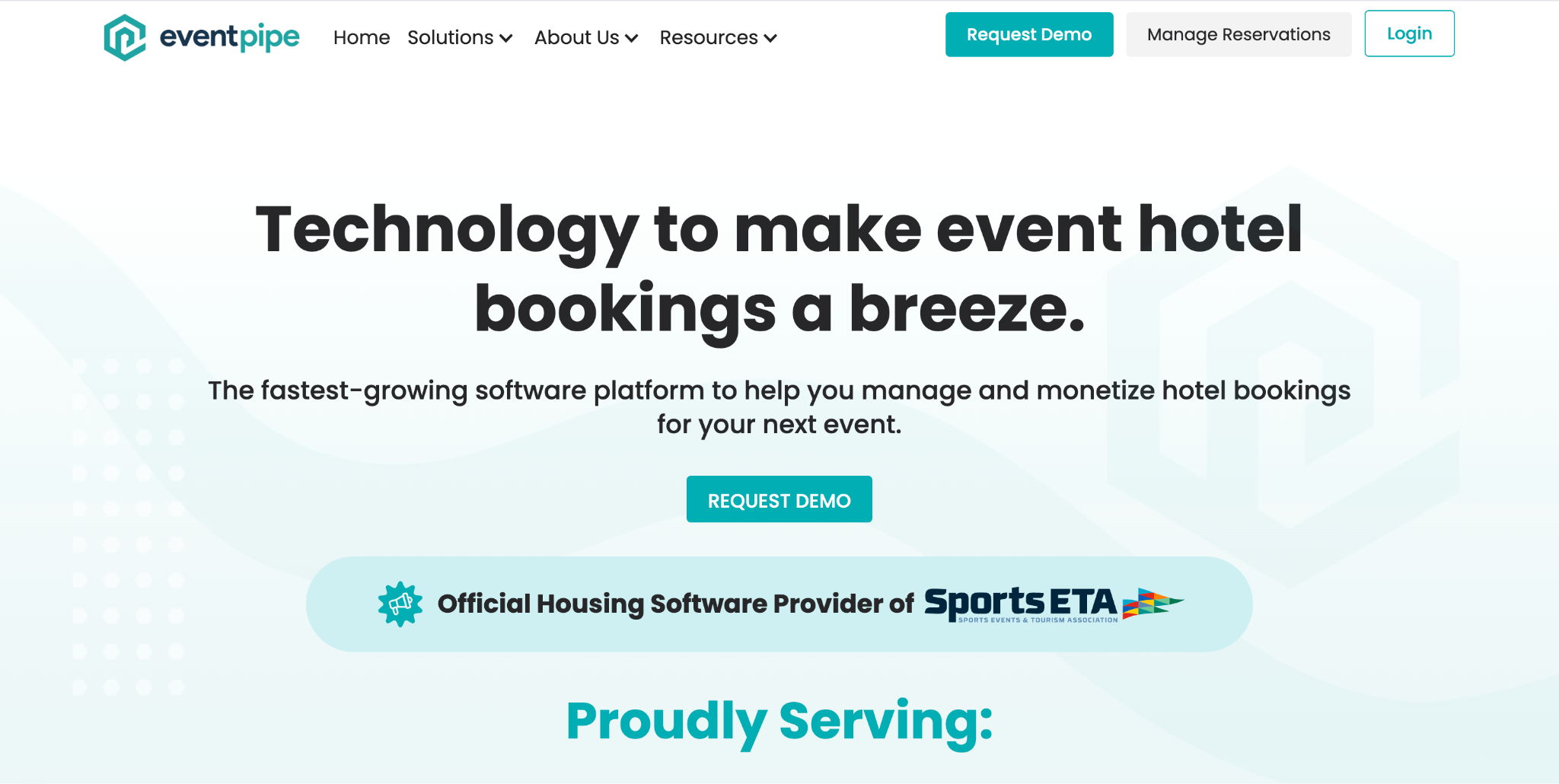
Best for: Hotel accommodations and revenue automation
EventPipe takes the stress out of hotel coordination when families are traveling in. Users offer families a branded booking portal linked to nearby hotels at negotiated rates, and then collect affiliate revenue, all without contracts or extra complexity.
Pricing: Custom quote
Key advantages:
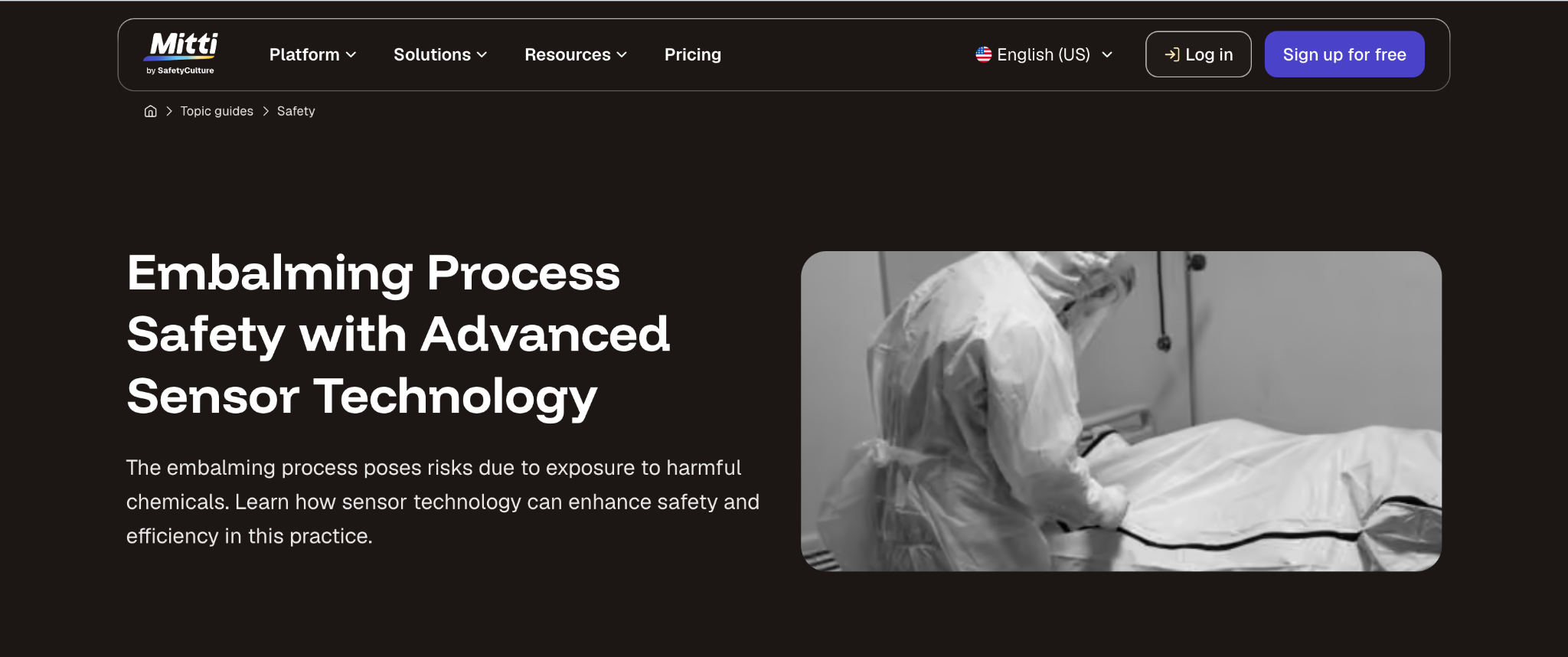
Best for: Compliance, inspection, and operational accountability
Mitti replaces paper checklists and manual audits with mobile apps, safety forms, and alerts. Users rate it as efficient and easy to use.
Pricing: $29 per month / offer custom price for large organizations
Key advantages:
Reviews:
Capterra: 4.6 stars out of 5 - 355 reviews
Start with your biggest time drain, then pick the platform that solves it without adding new busywork. The right fit reduces manual work and gives families a better experience, not just another login to manage.
The best funeral home software platforms can transform how a funeral home operates—whether by simplifying case management, boosting revenue, or strengthening family connections. Each platform offers unique advantages, but the goal is the same: reduce manual work, improve collaboration, and create better experiences for both staff and families.
Now is the time to evaluate your tech stack. Explore which solutions fit your needs, and don't settle for tools that slow you down.
With Presto by EventPipe, funeral homes can offer families immediate, branded hotel booking options—without contracts, room blocks, or added complexity. Presto makes it easy to support families in their moment of need while also capturing incremental revenue that often goes overlooked.
Ready to see how EventPipe's Presto can simplify your workflows and unlock new revenue?

Funeral home software refers to digital platforms that help manage operations, cases, finances, and family services. These tools replace manual paperwork with simpler workflows, online payments, scheduling, and communication features.
Funeral homes have unique needs that general business tools don't cover—like case management, guest coordination, compliance, and memorialization. Specialized platforms save time, reduce errors, and improve the family experience.
The best software depends on your priorities. Some tools focus on case management and collaboration, others on revenue automation or digital memorials. Multi-location operators may benefit from scalable platforms, while smaller homes may want all-in-one simplicity.
EventPipe focuses on guest lodging coordination—a service gap that most platforms don't address. It provides branded hotel booking portals, automated room blocks, and affiliate revenue tracking. This helps funeral homes reduce family stress, improve service, and unlock new income with minimal setup.
Yes, most platforms are designed to integrate with accounting, websites, and communication tools. When evaluating solutions, look for options that support your current tech stack to avoid duplicate work.

Jeff is the Marketing Manager at EventPipe. He brings a decade of Marketing experience with a background in social media, events, SEO, and content. Outside of work, Jeff is an independent Hip Hop artist who regularly releases and performs his music and loves to golf and play ice hockey in his spare time. Jeff holds a bachelor of arts in Economics from Union College, with a minor in Spanish.
